





















 Roblox Games
 ****
 Suika Games
 Music Games
 IO Games
 Snake Games
 Racing Games
 Sandbox Games
 FPS Games
 Gun Games
 Horror Games
 Ninja Games
 Billiard Games
 2 Player Games
 Stickman Games
 Fireboy and Watergirl
 Game Paradise
 Real Mam Games
 Dinosaur Games
 Squid Game
 Puzzle Games
 Temple Escape Games
 Subway Surfers
 Plants vs Zombies Games
 Nut Games
 Papa's Games
 Basketball Games
 Mahjong Games
 2048 Games
 Five Nights At Freddy's Games
 Parkour Games
 Dark Chess Games
 Chess Games
 War Games
 One stroke Games
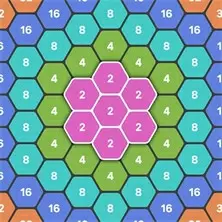
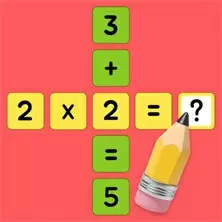
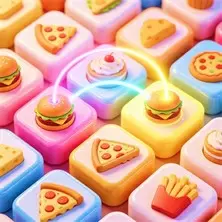
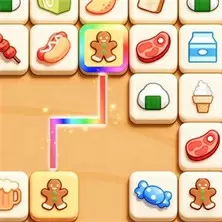
The benefits of playing 'Grandpa Grandma Game' are very clear. Firstly, this type of game provides regular mental stimulation. Spending ten to fifteen minutes a day on simple memory or logic exercises can effectively maintain the activity of neural connections. Many functional therapy studies have confirmed that sustained low-intensity mental activity is more effective in delaying the risk of dementia than occasional high-intensity challenges. Secondly, this type of game does not have the frustration of failure. Traditional board games or mahjong inevitably have wins and losses, but digital games are designed to be able to complete each level, with at most prompts to try again. Therefore, I am willing to continue participating and develop a habit of using my brain every day. Thirdly, playing games itself helps to pass the time of boredom. After retirement, there is more free time, and simply sitting and watching TV can easily lead to daydreaming or even dozing off. Through simple goals in the game, such as finding two identical patterns and arranging items in order of size, having clear tasks allows for focus and a more fulfilling time. Fourthly, this type of game enhances self-confidence. When they complete level after level on their own, they will clearly feel 'I'm okay' and 'I'm not regressing that fast'. This positive psychological feedback is more direct than any health supplement. Fifth, games have become an easy medium for cross generational interaction. Sun Tzu doesn't have to go to great lengths to explain complex rules, just hand over the tablet and say, 'Grandpa, let's finish this together.' This naturally creates cooperation and laughter between the two generations. I no longer feel isolated from the digital world, but can proudly say 'I broke my own record today'. In summary, the 'Grandfather Grandma Game' is not meant to be a test, but to provide them with a safe, enjoyable, and effective mental training tool. Playing a little every day makes your mind more lively and your mood happier.
Short term memory and concentration are continuously trained through gameplay such as memory pairing, graphic recognition, sequential arrangement, or simple classification. Frequently playing such games can help delay cognitive decline and maintain mental agility. The game pace is slow, and each level is short, suitable for playing for a few minutes at any time while waiting for the bus, after meals, or before going to bed. You can play alone, or take turns playing with your grandson or spouse to increase the topics of daily interaction.